
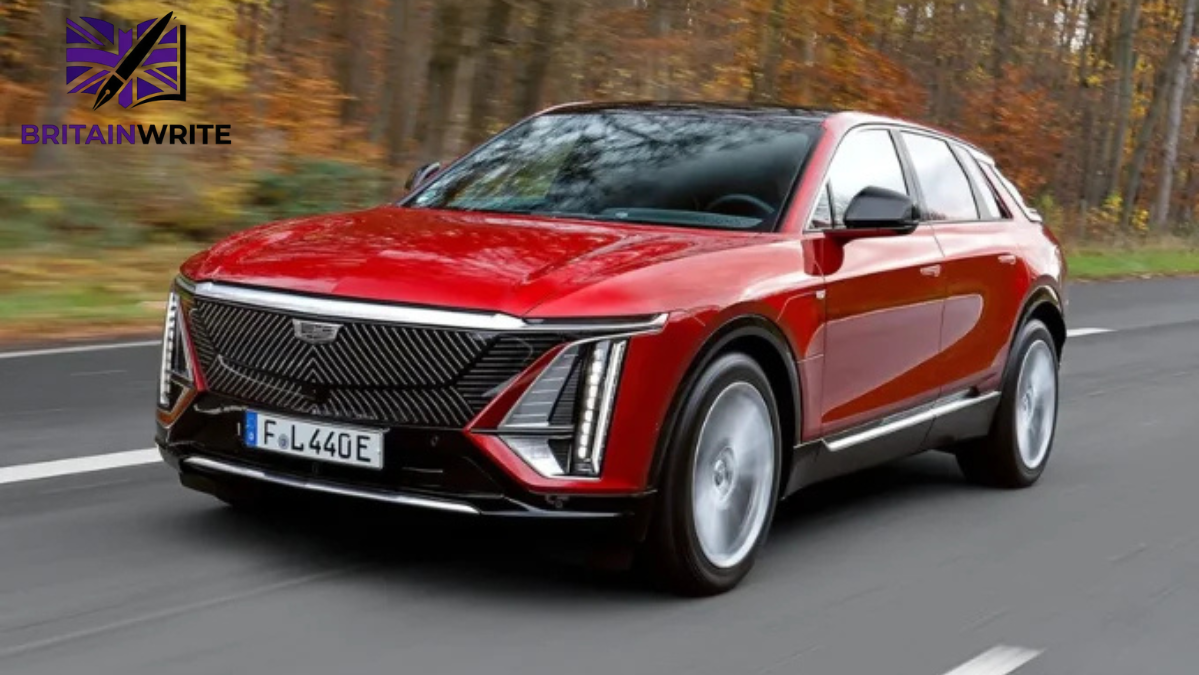
Do the Driving Modes in Cadillac LYRIQ Offer Different Ranges or Battery Usages?
The Cadillac LYRIQ is a premium all-electric SUV that combines luxury, advanced technology, impressive acceleration, and the convenience of electric driving. Like many modern electric vehicles, it offers different driving modes that allow drivers to adjust how the vehicle responds to accelerator inputs and road conditions. These settings can influence the driving experience, but they also raise an important question about electric vehicle efficiency.
Do the driving modes in Cadillac LYRIQ offer different ranges or battery usages? Yes, they can influence both, primarily by changing how the vehicle delivers power and how much energy it consumes during different driving situations. However, selecting a particular mode does not automatically change the battery’s physical capacity. Instead, it can affect how efficiently the LYRIQ uses the energy stored in its battery pack.
The actual impact depends on several factors, including driving speed, acceleration habits, outside temperature, road conditions, climate control, and whether the vehicle is equipped with rear-wheel drive or all-wheel drive. A driver who uses a more relaxed driving style may achieve a different range from someone who regularly accelerates aggressively, even when both vehicles use the same driving mode.
Understanding these differences helps LYRIQ owners choose the right settings for everyday commuting, highway travel, cold-weather driving, and situations where maximum efficiency matters. By learning how each mode works, drivers can enjoy the vehicle’s performance while making better use of its available battery energy.
Understanding How Driving Modes Work in the Cadillac LYRIQ
Driving modes are designed to change the character of a vehicle without requiring the driver to adjust every setting manually. In the Cadillac LYRIQ, available modes can influence accelerator response, vehicle performance characteristics, and the way the electric powertrain delivers its power. The exact modes and their functions can vary by model year, trim, and vehicle configuration.
Electric vehicles operate differently from conventional petrol or diesel cars. Instead of burning fuel to produce power, the LYRIQ draws electricity from a high-voltage battery and sends it to electric motors. The amount of electricity consumed depends on the power demanded by the driver, the efficiency of the motors and supporting systems, and the conditions under which the vehicle operates.
A mode that provides sharper acceleration can make the SUV feel more responsive. A more relaxed setting can encourage smoother power delivery, which may help reduce unnecessary energy consumption. Nevertheless, the driver’s behaviour remains important. Even a performance-oriented mode can be driven efficiently when acceleration is gentle and speeds are controlled.
It is also important to distinguish between the vehicle’s selected driving mode and its battery management system. Driving modes primarily influence the driving experience, while the battery management system monitors factors such as temperature, charging limits, and battery protection. Selecting a different mode does not directly increase the battery’s storage capacity or provide additional electricity.
How Driving Modes Affect Battery Consumption and Driving Range
The relationship between driving modes and battery usage comes down to energy demand. When the driver presses the accelerator, the LYRIQ’s electric motors use electrical energy to produce movement. More demanding acceleration generally requires greater power, while maintaining a steady speed on level roads can require less power.
A sportier mode may make acceleration feel immediate by changing the accelerator’s response. This can encourage stronger acceleration if the driver takes advantage of the sharper response. When the vehicle repeatedly accelerates hard, the motors draw more energy, potentially reducing the distance that can be covered before recharging.
A more balanced or efficiency-oriented approach can help reduce unnecessary electricity consumption. Smooth acceleration, consistent speeds, and anticipating traffic conditions allow the vehicle to operate more efficiently. These habits may produce better results than simply changing modes without adjusting driving behaviour.
The key point is that the relationship is not always a direct one-to-one comparison. Selecting a mode does not guarantee a specific reduction in battery usage, because the road, weather, traffic, and driver all influence energy consumption. The same LYRIQ can achieve noticeably different results on two journeys even when the selected mode remains unchanged.
For drivers wondering, do the driving modes in Cadillac LYRIQ offer different ranges or battery usages?, the most accurate answer is that they can influence energy consumption indirectly through changes in performance response and driving behaviour. Their effect varies rather than following a fixed percentage.
Exploring the Cadillac LYRIQ’s Main Driving Modes
The Cadillac LYRIQ has been offered with driving modes that serve different purposes, although the exact names and availability depend on the model year and equipment. Commonly discussed settings include Tour, Sport, Snow or Ice, and My Mode. Drivers should consult their vehicle’s owner’s manual or on-screen mode descriptions to confirm which settings are available on their particular SUV.
Tour Mode for Everyday Driving
Tour mode is intended to provide a comfortable, balanced driving experience. It suits routine journeys such as commuting, shopping, school runs, and longer trips where smooth power delivery is more important than particularly sharp acceleration.
Because Tour mode encourages a more relaxed driving experience, it can be a practical choice for drivers who want a good balance between comfort and efficiency. Gentle accelerator inputs and predictable responses can help limit unnecessary bursts of power. However, Tour mode is not a guarantee of maximum range, particularly if the driver travels at high speeds or uses substantial cabin heating.
Sport Mode for Responsive Performance
Sport mode is designed to give the LYRIQ a more engaging driving character. Depending on the vehicle configuration and model year, it can sharpen accelerator response and alter other performance-related characteristics.
This setting can make the SUV feel more energetic, especially when accelerating from a standstill or overtaking. The trade-off is that drivers may use more electricity if they take advantage of the increased responsiveness to accelerate aggressively. Sport mode itself should not be treated as a fixed battery drain, because actual energy use still depends on how the vehicle is driven.
Snow or Ice Mode for Slippery Conditions
Snow or Ice mode, where equipped, is designed to help the vehicle behave more predictably on slippery surfaces. Its power delivery characteristics may be adjusted to help manage traction when starting or accelerating on snow-covered, icy, or otherwise low-grip roads.
This mode is primarily about driving control rather than maximising range. Smooth power delivery can help prevent wheelspin, which may reduce wasted energy in some situations. However, cold temperatures can significantly affect electric vehicle efficiency, so a LYRIQ driven in winter may consume more energy even when Snow or Ice mode is being used appropriately.
My Mode for a Personalised Driving Experience
My Mode, where available, allows drivers to personalise aspects of the vehicle’s driving character. Depending on the model year and configuration, the available adjustments may include steering feel and other driving characteristics.
Personalisation can make the vehicle more comfortable and predictable for an individual driver. However, not every adjustable characteristic has the same effect on battery consumption. A change in steering feel, for example, does not necessarily create a meaningful difference in electrical efficiency, while changes that encourage stronger acceleration can influence energy use through driving behaviour.
Comparing Driving Modes and Their Potential Effect on Range
Different modes serve different purposes, and their influence on driving range should be understood in context. The following table provides a general comparison of common LYRIQ driving modes rather than guaranteed efficiency ratings.
| Driving mode | Main purpose | Potential effect on battery usage | Best suited for |
|---|---|---|---|
| Tour | Balanced everyday driving | May support efficient driving through smooth power delivery | Commuting and longer journeys |
| Sport | More responsive performance | May increase consumption when used for frequent hard acceleration | Spirited driving and responsive acceleration |
| Snow or Ice | Improved control on slippery surfaces | Depends on traction, temperature, and driving conditions | Snowy, icy, or low-grip roads |
| My Mode | Personalised driving characteristics | Depends on selected settings and driving habits | Drivers who prefer a tailored experience |
These comparisons are general rather than laboratory measurements. The exact energy impact of each mode depends on the vehicle’s configuration, software, and operating conditions. There is no universal percentage that accurately describes how much extra range Tour mode will provide over Sport mode in every situation.
For example, a driver travelling through heavy city traffic in Tour mode may consume more energy than another driver using Sport mode on a smooth road with light traffic and gentle acceleration. Traffic flow, average speed, and the frequency of stopping can outweigh the differences created by the selected mode.
For the most reliable comparison, owners can monitor the vehicle’s energy consumption over similar journeys. Comparing trips with similar speeds, weather, passenger loads, and climate control settings provides a more useful indication of real-world efficiency than comparing unrelated drives.
Does Sport Mode Reduce the Cadillac LYRIQ’s Range?
Sport mode can contribute to reduced driving range, particularly when it encourages frequent rapid acceleration. Electric motors can deliver strong torque almost immediately, and the LYRIQ’s performance-oriented character makes it easy to use that power. However, producing stronger acceleration requires additional energy.
Consider a driver who regularly accelerates hard at traffic lights, rapidly increases speed on open roads, and brakes late before junctions. This pattern can increase electricity consumption because the vehicle repeatedly uses energy to gain speed and may not recover all of that energy during deceleration.
Now consider another driver using Sport mode but accelerating gently, maintaining moderate speeds, and anticipating traffic. This driver may experience a much smaller efficiency penalty. The selected mode does not force the vehicle to consume the same amount of energy every time it is activated.
Sport mode is therefore best viewed as a performance setting rather than an automatic range-reduction switch. Its influence depends on how the additional responsiveness is used.
Drivers who want to enjoy the LYRIQ’s acceleration can still manage energy consumption by applying the accelerator smoothly and avoiding unnecessary high-speed driving. This approach preserves much of the enjoyment of electric performance without making every journey unnecessarily demanding on the battery.
Can Tour Mode Help Maximise Battery Efficiency?
Tour mode is a sensible starting point for drivers who want comfortable everyday driving and predictable accelerator response. Its balanced character can make it easier to maintain a smooth pace, particularly during commuting and longer journeys.
Smooth acceleration is important because the energy required to increase a vehicle’s speed rises substantially as speed increases. Repeatedly accelerating hard and then slowing down wastes more energy than maintaining a consistent pace when conditions allow. Tour mode can help drivers avoid unnecessary power demands, although it cannot eliminate the energy required to overcome aerodynamic drag, rolling resistance, and elevation changes.
Drivers should not assume that selecting Tour mode automatically guarantees the longest possible range. A journey involving steep hills, freezing temperatures, strong headwinds, and motorway speeds may consume more energy than a shorter trip in Sport mode under favourable conditions.
The most effective approach combines a suitable driving mode with efficient habits. Maintaining a reasonable speed, anticipating traffic, using regenerative braking appropriately, and preconditioning the cabin while the vehicle is connected to a charger can all help improve overall efficiency.
For many LYRIQ owners, Tour mode provides an excellent balance between comfort and everyday energy management. It is particularly useful when there is no need for sharper performance or specialised traction settings.
The Role of Regenerative Braking in Battery Usage
Regenerative braking is one of the important features that distinguishes electric vehicles from conventional petrol-powered cars. When the LYRIQ slows down under suitable conditions, its electric motor can operate as a generator, converting some of the vehicle’s kinetic energy back into electrical energy.
This recovered electricity can be returned to the battery, helping reduce net energy consumption over a journey. The amount recovered depends on factors such as vehicle speed, braking intensity, battery state of charge, temperature, and the conditions under which regeneration is available.
Regenerative braking does not recover all the energy used to accelerate the vehicle. Some energy is inevitably lost through electrical resistance, mechanical losses, tyre friction, and aerodynamic drag. Consequently, accelerating hard and relying on regeneration to recover energy is generally less efficient than avoiding unnecessary acceleration in the first place.
The LYRIQ’s available regenerative driving features and controls depend on the model year and equipment. Drivers should learn how their particular vehicle handles deceleration and follow the owner’s manual for the recommended use of these features.
A useful principle is to anticipate traffic early and allow the vehicle to slow smoothly whenever possible. This reduces unnecessary braking and can improve efficiency, especially in urban environments with frequent stops.
How Driving Speed Influences Cadillac LYRIQ Range
Driving speed can have a substantial effect on electric vehicle range, sometimes overshadowing the differences between driving modes. At higher speeds, aerodynamic drag increases significantly. The vehicle must use more energy to push air out of its path, and this becomes increasingly important during motorway driving.
For example, travelling at a steady, moderate speed may allow the LYRIQ to cover more distance per unit of electricity than driving substantially faster under otherwise similar conditions. Although the faster journey may take less time, the additional energy demand can reduce the remaining range.
This is why a driver using Tour mode at a very high motorway speed may achieve poorer efficiency than someone using Sport mode at a moderate speed. The selected mode is only one part of the overall energy equation.
Weather also affects the relationship between speed and efficiency. Strong headwinds increase the aerodynamic load, while rain can increase rolling resistance. Cold air is denser than warm air, which can add to aerodynamic drag, and winter conditions may require additional energy for cabin heating and battery temperature management.
Maintaining a sensible speed, checking traffic conditions, and planning charging stops are practical ways to manage range. On longer journeys, arriving at a charging station with a comfortable reserve is generally more useful than trying to achieve the highest possible speed throughout the trip.
How Temperature and Climate Control Affect Battery Consumption
Temperature is another major factor in the real-world range of an electric vehicle. Lithium-ion batteries operate most efficiently within a suitable temperature range, and cold weather can affect both available performance and the energy required to maintain battery temperature.
During winter, the LYRIQ may use electricity to heat the cabin and manage battery temperature. These systems can consume energy that would otherwise be available for driving. Short trips can be particularly demanding because the vehicle may spend a relatively large proportion of the journey warming the cabin and battery.
In hot weather, air conditioning also requires electricity. The energy used varies according to the outside temperature, the selected cabin setting, sunlight entering the vehicle, and the duration of the journey. Preconditioning the cabin while the vehicle is plugged in can help reduce the amount of battery energy used for initial heating or cooling after departure.
Drivers should also remember that battery state of charge can affect regenerative braking availability. When the battery is very full, the vehicle may have less capacity to accept recovered energy, depending on temperature and system limits.
These effects are not exclusive to a particular driving mode. Even the most efficiency-focused settings cannot completely offset extreme temperatures or heavy climate-control use. Combining sensible mode selection with cabin preconditioning and realistic journey planning offers a more reliable approach to maximising usable range.
Does the LYRIQ’s Drivetrain Affect Energy Consumption?
The Cadillac LYRIQ has been offered in different powertrain configurations, including rear-wheel-drive and all-wheel-drive versions, depending on model year and market. These configurations can have different performance characteristics and energy requirements.
Rear-wheel-drive models generally use a different motor arrangement from all-wheel-drive versions. An all-wheel-drive model may have additional motor hardware and a different power output, which can affect its efficiency. However, the actual difference depends on the specific vehicle, its wheels and tyres, software, and driving conditions.
The EPA-rated range of a particular LYRIQ should therefore be checked against the exact model year and configuration. Ratings from one trim should not automatically be applied to another, even when both vehicles have the same battery family or share similar equipment.
Wheel size and tyre design can also influence efficiency. Larger wheels and performance-oriented tyres may increase rolling resistance or aerodynamic losses compared with some alternative configurations. These differences can affect the distance travelled on a charge regardless of which driving mode is selected.
Owners comparing real-world efficiency should use information specific to their vehicle. The window sticker, official specifications, and owner’s manual provide a more dependable basis for comparison than general statements about the LYRIQ range as a whole.
Practical Ways to Maximise Cadillac LYRIQ Driving Range
Getting the most distance from an electric SUV involves more than choosing an efficiency-oriented mode. A combination of driving habits, vehicle settings, maintenance, and charging preparation can make a meaningful difference.
Smooth acceleration is one of the simplest habits to adopt. Pressing the accelerator progressively reduces unnecessary bursts of power and helps maintain a consistent driving rhythm. Looking ahead and anticipating traffic also reduces the need to accelerate rapidly and brake immediately afterwards.
Maintaining a reasonable speed is particularly important on motorways. A modest reduction in cruising speed can lower aerodynamic energy demand, although the ideal speed depends on traffic, road conditions, and local speed limits. Safety should always take priority over efficiency.
Tyre pressure should be checked according to the manufacturer’s recommendations. Underinflated tyres can increase rolling resistance, reducing efficiency and potentially affecting tyre wear and handling. Regular maintenance and the correct tyres also help the vehicle operate as intended.
Cabin climate control can be managed intelligently without sacrificing comfort or safety. Preconditioning while plugged in, using suitable temperature settings, and avoiding unnecessary heating or cooling can reduce the electricity consumed by auxiliary systems.
Finally, use the vehicle’s energy information and range estimate as practical planning tools. If consumption rises unexpectedly, consider whether speed, temperature, wind, elevation, traffic, or climate control explains the change. Looking at these factors together gives a clearer picture of efficiency than focusing exclusively on the selected mode.
Understanding the LYRIQ’s Estimated Range and Energy Display
An electric vehicle’s estimated remaining range is a prediction rather than a guaranteed distance. The vehicle uses information about battery charge and expected energy consumption to estimate how far it may travel before requiring a recharge.
If recent driving has involved strong acceleration, high speeds, or substantial climate-control use, the displayed estimate may decrease more quickly than expected. Following a period of gentler driving, the estimate may become more favourable as the vehicle’s calculations reflect different consumption patterns.
This does not mean the battery has suddenly gained or lost physical capacity. Instead, the vehicle is estimating future travel based on the energy available and the conditions it expects to encounter.
Owners should pay attention to actual energy consumption over several journeys rather than reacting to every change in the displayed range. A single trip may not provide enough information to judge a mode’s efficiency because weather, road gradients, and traffic can vary considerably.
For long-distance driving, charging plans should account for possible changes in consumption. Cold weather, high motorway speeds, heavy rain, and elevation gain can all reduce the practical distance available between charging stops. Building in a sensible reserve helps make journeys more predictable and reduces range-related stress.
Real-World Driving Examples: How Modes Can Change Efficiency
Imagine a daily commute that includes urban roads, traffic lights, and short sections of faster driving. In this situation, Tour mode may be a comfortable choice because its balanced response suits regular traffic. Smooth acceleration and anticipating red lights can help the driver make good use of the available battery energy.
On a quieter road, a driver may choose Sport mode for more immediate acceleration. If the driver uses that response frequently, energy consumption may increase. If acceleration remains controlled and the speed stays moderate, the difference may be less pronounced than expected.
Now consider a winter journey on roads affected by snow or ice. The appropriate traction-oriented mode may help the LYRIQ respond more predictably to slippery conditions. The driver may still notice reduced range because cold weather, heating requirements, and difficult road conditions affect energy use.
These examples show why driving mode should be selected according to the journey rather than based on a universal assumption about battery savings. A mode that supports safe control in difficult weather is more valuable than a small theoretical efficiency benefit from using an unsuitable setting.
The best real-world strategy is to select the mode that fits the conditions, drive smoothly, and monitor energy consumption over time. This balances performance, comfort, safety, and efficiency.
Common Misconceptions About Cadillac LYRIQ Driving Modes
One common misconception is that an efficiency-oriented mode increases the battery’s capacity. It does not. Battery capacity is determined by the battery pack, and selecting a different driving mode cannot add extra stored energy.
Another misunderstanding is that Sport mode always uses substantially more electricity, regardless of driving behaviour. Sport mode may encourage stronger acceleration, but consumption depends on how the vehicle is operated. Gentle driving in a performance-oriented setting can be more efficient than aggressive driving in a balanced setting.
Some drivers also assume that Snow or Ice mode is intended to improve range. Its primary purpose is traction and control in slippery conditions. Any effect on energy consumption is secondary and depends on the road surface, temperature, and the way the vehicle is driven.
A further misconception is that regenerative braking can fully recover energy lost during acceleration. Regeneration helps recover some energy, but it cannot reverse all the losses associated with moving a vehicle. Avoiding unnecessary acceleration remains an important efficiency habit.
Finally, the advertised range should not be treated as a guaranteed result for every journey. Official range ratings are based on standardised testing procedures, while real-world driving includes variables such as weather, speed, elevation, traffic, and accessory use. Understanding these limitations helps owners set realistic expectations.
Frequently Asked Questions
Do the driving modes in Cadillac LYRIQ offer different ranges or battery usages?
Yes, driving modes can influence battery consumption and real-world range by changing accelerator response and other driving characteristics. Sport mode may use more energy when it encourages frequent hard acceleration, while Tour mode can support smoother driving. However, the size of the difference depends on driving habits, speed, weather, and road conditions rather than the mode alone.
Which Cadillac LYRIQ driving mode is best for maximum range?
Tour mode is a sensible everyday choice for drivers who want balanced performance and smooth power delivery. However, the longest range is not guaranteed by a particular mode. Moderate speeds, gentle acceleration, correct tyre pressure, effective climate-control management, and suitable use of regenerative braking can all help improve efficiency.
Does Sport mode drain the Cadillac LYRIQ battery faster?
Sport mode can contribute to higher battery consumption when drivers frequently use its sharper response for rapid acceleration. The mode itself does not automatically drain a fixed amount of electricity. Driving gently in Sport mode may produce a smaller efficiency difference than driving aggressively in Tour mode.
Does Snow or Ice mode improve the LYRIQ’s driving range?
Snow or Ice mode is designed primarily to help the vehicle manage slippery road conditions. Smoother power delivery may help reduce wheelspin in certain situations, but the mode is not specifically designed to maximise range. Cold temperatures, winter tyres, road conditions, and cabin heating can all influence overall energy consumption.
Can changing driving modes increase the LYRIQ’s battery capacity?
No. Driving modes do not increase the battery pack’s physical storage capacity. They can influence how the vehicle uses available electricity, but the total amount of energy stored in the battery is determined by its design, condition, and current state of charge.
Why does my Cadillac LYRIQ show less range in winter?
Cold temperatures can affect battery efficiency and increase the electricity needed for battery temperature management and cabin heating. Winter tyres, wet or snowy roads, and increased resistance can also affect consumption. Preconditioning the cabin while connected to a charger and driving at moderate speeds can help manage these effects.
Does regenerative braking improve Cadillac LYRIQ efficiency?
Regenerative braking can improve efficiency by converting some of the vehicle’s kinetic energy into electricity during deceleration. However, it cannot recover all the energy used to accelerate. Smooth driving and anticipating traffic are important because avoiding unnecessary acceleration and braking is generally more efficient than repeatedly recovering energy after hard acceleration.
Is Tour mode always more efficient than Sport mode?
No. Tour mode may make efficient driving easier through its balanced response, but it is not automatically more efficient in every situation. A driver using Tour mode at high speeds may consume more energy than a driver using Sport mode with gentle acceleration and moderate cruising speeds. The driving conditions and the driver’s behaviour remain significant factors.
Does the Cadillac LYRIQ’s drivetrain affect its driving range?
Yes. Rear-wheel-drive and all-wheel-drive versions can have different energy requirements because of their motor arrangements, power outputs, tyres, and other configuration differences. The precise impact varies by model year and trim, so owners should consult the official specifications for their particular LYRIQ.
Conclusion
The Cadillac LYRIQ’s driving modes can influence battery consumption and real-world driving range, but their effect is closely connected to how the vehicle is driven. Tour mode provides a balanced option for everyday journeys, Sport mode offers a more responsive driving experience, Snow or Ice mode supports control on slippery surfaces, and My Mode allows personalisation where available.
Do the driving modes in Cadillac LYRIQ offer different ranges or battery usages? They can, but there is no universal range advantage or fixed battery-consumption difference that applies to every driver and journey. Speed, acceleration, weather, climate control, road conditions, tyre pressure, and drivetrain configuration all contribute to the final result.
For drivers who want to maximise efficiency, the most effective approach is to combine an appropriate driving mode with smooth acceleration, moderate cruising speeds, sensible climate-control use, and effective trip planning. Regenerative braking can help recover some energy, while preconditioning the cabin when connected to a charger can reduce the energy required after departure.
Ultimately, understanding how driving modes work allows LYRIQ owners to make informed choices without sacrificing the comfort, safety, or performance that make the electric SUV appealing. Choosing the right setting for the conditions and adopting consistent driving habits can help make every charge go further.
Read also The Mummy 2026: Release Updates, Cast, Story Expectations, and What to Know