Rodolphe Saadé and Greg Hayes: Business Careers, Leadership, Background, and Professional Connections
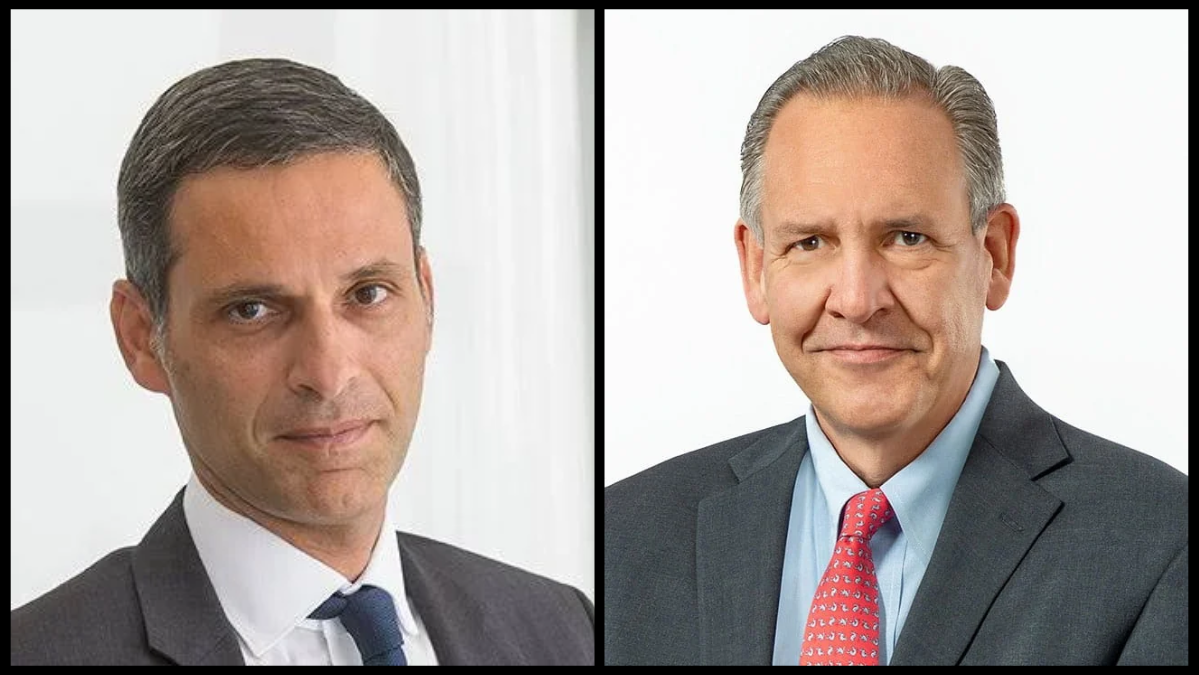
The business world is shaped by influential executives who understand how to manage complex organizations, make important investment decisions, and respond to changing international markets. Rodolphe Saadé and Greg Hayes are two prominent business leaders whose professional careers offer interesting insights into corporate leadership, international commerce, industrial development, and strategic management.
Although they have established their reputations in different business sectors, both executives have experience leading large organizations with significant international operations. Saadé is best known for his leadership of CMA CGM, one of the world’s major shipping and logistics companies, while Hayes built his reputation through senior executive positions at United Technologies and RTX, particularly in the aerospace and defense industries.
The interest in Rodolphe Saadé and Greg Hayes comes from the wider connections between transportation, aviation, industrial manufacturing, and global supply chains. Their careers provide an opportunity to examine how experienced executives approach business growth, organizational transformation, financial performance, and long-term planning.
However, it is important to distinguish between professional comparisons and confirmed business relationships. Their publicly documented careers are associated with different companies, and available corporate biographies do not establish a direct partnership, shared investment, or personal relationship between them.
Understanding their individual backgrounds makes the comparison more meaningful. It also highlights how leadership principles can differ depending on the industries, markets, and responsibilities involved.
Who Are Rodolphe Saadé and Greg Hayes?
Rodolphe Saadé is a French-Lebanese businessman who serves as Chairman and Chief Executive Officer of the CMA CGM Group. Born in Lebanon in 1970, he developed his professional experience within the family business established by his father, Jacques Saadé. Since taking leadership responsibility, he has helped expand the company’s international presence and strengthen its activities across shipping, logistics, and air cargo.
Gregory J. Hayes, commonly known as Greg Hayes, is an American business executive with an extensive background in corporate finance, industrial management, aerospace, and defense. He is particularly recognized for his leadership at United Technologies Corporation and RTX. His career involved major corporate restructuring decisions, acquisitions, and the development of one of the most significant aerospace businesses in the United States.
The professional histories of Rodolphe Saadé and Greg Hayes demonstrate two different approaches to managing international businesses. One has concentrated on building an integrated transportation and logistics network, while the other has played a central role in transforming an established industrial organization into a more focused aerospace and defense company.
Their experiences are relevant to discussions about modern business leadership because both have operated in industries where financial discipline, technological investment, operational efficiency, and international relationships are essential.
Rodolphe Saadé’s Early Life and Educational Background
Rodolphe Saadé was born in Lebanon in 1970. His family background played an important role in shaping his understanding of entrepreneurship and international business. His father, Jacques Saadé, founded CMA in Marseille, France, in 1978, establishing the foundation for what would eventually become the CMA CGM Group.
Growing up around a family business with international ambitions provided Saadé with early exposure to commercial opportunities, organizational challenges, and the importance of building lasting relationships. Nevertheless, his career was not simply based on inheriting a leadership position. He gained practical experience in different business environments before assuming greater responsibilities within the company.
He studied business and marketing at Concordia University in Montreal, Canada, graduating in 1994 with a Bachelor of Commerce degree. His education provided a foundation in commercial strategy, management, and the broader principles of business development.
Saadé also received an honorary Doctor of Laws degree from Concordia University in 2023 in recognition of his professional achievements and leadership.
An important aspect of his philosophy is the long-term perspective associated with family businesses. Concordia University highlighted this approach through a statement attributed to him: “As a family Group, we think long term and imagine better ways to serve a world in motion.” This reflects the importance of sustainable growth, strategic investment, and continuity in his business approach. CMA CGM Group+2
Rodolphe Saadé’s Career at CMA CGM
Saadé joined CMA CGM in 1994 after gaining initial entrepreneurial experience through a water-dispenser business. His early responsibilities included working in international markets and understanding the operational requirements of maritime transportation.
He managed several shipping lines between 1997 and 2000 before taking responsibility for important transatlantic and transpacific operations. These experiences helped him develop an understanding of international freight transportation, customer relationships, shipping routes, and the competitive pressures affecting global trade.
In 2010, he became Vice Chairman and a member of the company’s Board of Directors. During the same period, he supervised important financial restructuring activities. This responsibility strengthened his experience in corporate finance and organizational management.
One of his significant achievements came through his involvement in the acquisition of Neptune Orient Lines, the Singapore-based shipping company associated with the APL brand. The transaction helped strengthen CMA CGM’s position in international container shipping.
He also played an important role in negotiations that led to the creation of the Ocean Alliance in 2016. The agreement brought together major shipping companies and represented an important development in the structure of international maritime transportation.
In 2017, Saadé became Chairman and Chief Executive Officer of CMA CGM. Under his leadership, the company continued expanding its shipping operations while investing in logistics, air freight, digital services, and other parts of the transportation industry. CMA CGM Group+1
Greg Hayes’s Early Life and Professional Education
Greg Hayes developed his career through the American industrial and corporate management sectors. Unlike Saadé, whose professional development was closely connected with a family-owned business, Hayes built his reputation through decades of executive experience in established publicly traded organizations.
He studied economics at Purdue University and became a Certified Public Accountant. His educational background provided a strong foundation in financial analysis, accounting, corporate planning, and business administration.
These skills became particularly important throughout his career at United Technologies Corporation. The company operated across several industrial markets, including aerospace systems, aircraft engines, and other engineering-related businesses.
Hayes joined United Technologies in 1999 through its merger with Sundstrand Corporation. Over the following years, he held various senior positions and developed a reputation for understanding the financial and operational requirements of large industrial organizations.
From 2008 to 2014, he served as the company’s Chief Financial Officer. This position gave him significant responsibility for financial planning, corporate strategy, investment decisions, and business performance.
In 2014, Hayes became Chief Executive Officer of United Technologies, and he was appointed Chairman in 2016. His leadership responsibilities eventually extended to the formation and development of RTX, following the merger of United Technologies’ aerospace businesses with Raytheon Company. BD+1
Greg Hayes’s Leadership at United Technologies and RTX
Greg Hayes became one of the most influential executives in the American aerospace and industrial sectors through his work at United Technologies. His leadership period coincided with significant changes in the global aviation industry, increasing demand for advanced engineering, and the growing importance of operational efficiency.
As CEO, Hayes focused on strengthening the company’s business portfolio and improving its competitive position. One of his major strategic decisions involved reshaping United Technologies by concentrating more heavily on aerospace-related operations.
The acquisition of Rockwell Collins in 2018 was an important part of this strategy. Rockwell Collins brought additional expertise in avionics, aircraft interiors, and advanced aerospace technologies. The transaction helped United Technologies strengthen its position in the commercial aviation market.
Another major development occurred in 2020 when United Technologies completed its merger with Raytheon Company. The combination created Raytheon Technologies, subsequently renamed RTX Corporation.
The new organization brought together important aerospace and defense businesses, including Pratt & Whitney, Collins Aerospace, and Raytheon. The merger created a large international enterprise with operations serving commercial aviation, government, and defense customers.
Hayes played a central role in managing this corporate transformation. He served as RTX’s Chairman and Chief Executive Officer before transitioning to executive chairman in 2024.
His experience demonstrates how large industrial companies can use acquisitions, restructuring, and strategic combinations to adapt to changing markets. BD+2
Rodolphe Saadé and Greg Hayes: Comparing Their Business Careers
When examining Rodolphe Saadé and Greg Hayes, one of the most noticeable differences is the nature of the companies they have led. Although both have operated in international business environments, their primary responsibilities have involved different commercial priorities.
Saadé’s career has been closely connected with international shipping, freight transportation, logistics, and supply-chain management. His leadership has focused on expanding the company’s services and building a business that can support customers across multiple stages of transportation.
Hayes, on the other hand, developed his executive reputation in industrial manufacturing, aerospace engineering, and defense technology. His responsibilities involved corporate finance, acquisitions, business restructuring, and managing complex engineering organizations.
Their professional approaches also reflect the different ownership and organizational structures of their companies. Saadé operates within a family-founded business that has maintained a long-term ownership identity. Hayes spent much of his career managing large publicly traded corporations with substantial responsibilities to shareholders and institutional investors.
Despite these differences, both careers highlight the importance of strategic decision-making. Their professional achievements demonstrate that successful leadership requires more than maintaining existing operations. It involves identifying opportunities, evaluating risks, investing in future capabilities, and adapting to market developments.
Key Facts About Both Business Executives
The following table summarizes important publicly documented information about the two executives.
| Category | Rodolphe Saadé | Greg Hayes |
|---|---|---|
| Full name | Rodolphe Saadé | Gregory J. Hayes |
| Birthplace | Lebanon | United States |
| Education | Concordia University | Purdue University |
| Main business association | CMA CGM | United Technologies and RTX |
| Primary industry | Shipping and logistics | Aerospace and defense |
| Major leadership role | Chairman and CEO of CMA CGM | Former CEO and Chairman of RTX |
| Known expertise | Global transportation and logistics | Corporate finance and industrial management |
| Career background | Family-founded business | Corporate executive career |
| Major strategic achievement | Expansion of shipping and logistics operations | Formation of RTX through a major merger |
This comparison shows that both executives have developed substantial experience in managing complex organizations. Their achievements, however, should be evaluated according to the different commercial environments in which they have worked.
Is There a Direct Business Connection Between Rodolphe Saadé and Greg Hayes?
An important question surrounding Rodolphe Saadé and Greg Hayes is whether they have an established professional relationship. Their names can be discussed together because their careers involve industries connected to international transportation, aviation, and large-scale infrastructure.
However, publicly available corporate biographies and official company information do not establish a confirmed direct business partnership between them. There is no verified evidence in the sources reviewed of a jointly announced venture, shared executive appointment, common board membership, or family relationship.
This distinction matters because business articles sometimes group prominent executives together based on their industries or professional influence. Such comparisons can be useful, but they should not be confused with evidence of a personal relationship or commercial agreement.
Saadé’s principal business association is CMA CGM, while Hayes’s best-known executive responsibilities were at United Technologies and RTX. Their professional records identify separate organizations and different areas of responsibility.
It is also important to recognize the limits of public information. The absence of a documented partnership does not prove that two executives have never met, communicated, or encountered each other through industry events. It simply means that a direct relationship should not be presented as an established fact without reliable supporting evidence.
How Shipping and Aerospace Industries Are Connected
Although their main business responsibilities differ, the industries associated with Rodolphe Saadé and Greg Hayes have several important connections.
International shipping and aerospace are both essential components of the modern global economy. Shipping companies transport raw materials, manufactured products, industrial equipment, and consumer goods between countries. Aerospace businesses develop aircraft engines, aviation systems, and technologies that support commercial and military operations.
Both industries depend on sophisticated international supply chains. A shipping company may need advanced engines, navigation systems, electronic equipment, and specialized industrial components to maintain its fleet. Aerospace manufacturers, meanwhile, depend on global transportation networks to move materials and finished products between factories, suppliers, and customers.
Technology is another important area of overlap. Modern shipping operations increasingly depend on digital tracking, automated systems, data analysis, and advanced vessel technologies. Aerospace businesses also rely on sophisticated engineering, software, automation, and research.
Environmental responsibility has become increasingly important in both sectors. Shipping companies face pressure to reduce vessel emissions, while aircraft manufacturers and engine producers are working toward more efficient technologies and lower environmental impacts.
These shared challenges explain why the careers of Saadé and Hayes can be examined within a broader discussion of international industrial leadership without suggesting that the two executives have worked together directly.
Rodolphe Saadé’s Expansion of CMA CGM
One of the defining features of Saadé’s leadership has been the expansion of CMA CGM beyond its traditional maritime transportation business.
The company has invested in logistics operations, air cargo, and services that help businesses manage complicated supply chains. This diversification reflects the changing expectations of international customers, many of whom want transportation providers capable of coordinating multiple stages of product delivery.
In 2019, CMA CGM completed its acquisition of CEVA Logistics, strengthening its position in the international logistics market. The acquisition was important because it expanded the group’s capabilities beyond ocean freight and provided additional services to customers.
Further acquisitions in 2022 included Ingram CLS, GEFCO, and Colis Privé. These transactions supported the company’s ambitions in e-commerce logistics, automotive transportation, and last-mile delivery.
Air cargo has also become an important part of the group’s development. In 2021, the company announced the creation of its air cargo division, investing in dedicated aircraft and establishing an aviation partnership with Air France-KLM.
Another notable development was the creation of TANGRAM in 2022, an innovation and training facility designed to support the development of future logistics and transportation solutions.
These initiatives illustrate a strategy focused on building an integrated transportation organization rather than relying exclusively on maritime shipping. CMA CGM Group+1
Greg Hayes’s Approach to Corporate Transformation
Greg Hayes’s leadership at United Technologies and RTX offers a different example of strategic business development.
His approach involved evaluating which businesses could deliver the strongest long-term opportunities and how a large industrial company could improve its competitive position. Corporate restructuring was an important element of this strategy.
Under his leadership, United Technologies divested Sikorsky in 2015, acquired Rockwell Collins in 2018, and completed the separation of Otis and Carrier in 2020. These decisions helped reshape the organization around aerospace activities before its merger with Raytheon.
The formation of RTX was particularly significant because it combined complementary capabilities across commercial aerospace and defense. The new business structure brought together engineering expertise, manufacturing capabilities, and relationships with customers around the world.
The transformation also demonstrated the importance of financial management in major corporate transactions. Large mergers require careful consideration of debt, operational integration, workforce responsibilities, shareholder expectations, and long-term investment requirements.
Hayes’s professional record therefore provides an interesting comparison with Saadé’s expansion strategy. Both executives have used acquisitions and organizational development to strengthen their companies, but their decisions have reflected different market conditions and corporate objectives.
Current Professional Positions and Business Responsibilities
Understanding the later stages of an executive’s career is important when assessing their continuing influence in the business world.
As of November 2026, Rodolphe Saadé continues to serve as Chairman and CEO of CMA CGM Group. His responsibilities include overseeing the group’s global operations, strategic direction, and continued development across transportation and logistics.
His leadership remains closely associated with the company’s international expansion and efforts to strengthen its position in the global supply-chain industry.
Greg Hayes has moved into corporate board and advisory responsibilities following his departure from RTX’s executive leadership. According to BD’s corporate biography, he serves as a director of Becton, Dickinson and Company, having joined its board in 2025.
He is also identified by Phillips 66 as the Lead Independent Director of its board. These responsibilities demonstrate that his experience continues to be relevant to companies operating outside his original aerospace and industrial background.
His transition from executive leadership to corporate governance reflects a common career development among experienced business executives. Board positions allow former CEOs to contribute their knowledge of strategy, risk management, financial oversight, and organizational leadership. BD+2
Leadership Styles and Management Philosophies
Leadership is influenced by personal experience, company culture, industry conditions, and long-term business objectives. The careers of Saadé and Hayes demonstrate how executives can approach these responsibilities differently while pursuing similar goals of organizational growth and stability.
Saadé’s leadership reflects the long-term perspective of a family-founded international business. His strategy has involved developing relationships across global markets, investing in new transportation capabilities, and expanding the company’s services. His decisions suggest an emphasis on diversification and building an integrated logistics network.
Hayes’s management approach has been shaped by decades of experience in publicly traded industrial corporations. Financial discipline, corporate restructuring, acquisitions, and shareholder value were important elements of his executive responsibilities.
Both approaches require the ability to manage uncertainty. Shipping companies must respond to changing trade patterns, fuel costs, geopolitical developments, and customer demand. Aerospace businesses face their own challenges, including technological competition, regulatory requirements, manufacturing costs, and government contracts.
The careers of Rodolphe Saadé and Greg Hayes demonstrate that effective leadership is not defined by one universal management style. Successful executives must understand their industries and develop strategies that address their organizations’ specific opportunities and challenges.
Business Achievements and Long-Term Influence
Saadé’s most important professional achievements are associated with the development of CMA CGM into a diversified transportation and logistics group. His involvement in major acquisitions, strategic partnerships, and international expansion has helped strengthen the company’s position in global commerce.
His leadership has also emphasized innovation and environmental responsibility. The group has invested in alternative vessel technologies and initiatives intended to reduce the environmental impact of maritime transportation. Its stated ambition includes achieving net-zero carbon emissions by 2050.
Hayes’s achievements are primarily associated with transforming United Technologies and establishing RTX as a major aerospace and defense organization. The acquisition of Rockwell Collins and the merger with Raytheon were particularly significant developments in his executive career.
His later corporate governance responsibilities also demonstrate the value of experience gained through senior leadership. Companies often seek directors who understand complex financial decisions, strategic planning, and the challenges of managing large international organizations.
For anyone researching Rodolphe Saadé and Greg Hayes, their professional influence is best understood through their individual contributions rather than an assumed connection between them.
The Importance of Their Industries to the Global Economy
Shipping, logistics, aerospace, and defense are essential parts of the international economic system. Their development affects manufacturers, retailers, governments, consumers, and businesses of different sizes.
CMA CGM operates within an industry that supports international trade by moving goods between production centers and consumer markets. Efficient shipping and logistics services help companies manage inventory, maintain supply chains, and deliver products across geographical boundaries.
The aerospace industry contributes through commercial aviation, engineering innovation, aircraft manufacturing, and defense technology. Companies associated with Hayes’s professional career have supplied important technologies used in aircraft and other advanced industrial applications.
Both industries require significant investment and long-term planning. Building a container ship, developing an aircraft engine, or establishing an international logistics network involves considerable financial resources and technical expertise.
These economic connections help explain why the careers of Saadé and Hayes are relevant to discussions about international business. Their experience provides different perspectives on the infrastructure and technologies that keep modern economies operating.
Conclusion
Rodolphe Saadé and Greg Hayes are accomplished executives whose careers demonstrate the importance of strategic leadership, financial management, and international business experience. Although their professional paths developed in different industries, both have played important roles in shaping large organizations and responding to changing global markets.
Saadé has concentrated on expanding CMA CGM through shipping, logistics, air cargo, acquisitions, and technological development. His career reflects the opportunities and responsibilities associated with leading a major family-founded international business.
Hayes established his reputation through decades of work at United Technologies and RTX. His involvement in corporate restructuring, major acquisitions, and the formation of RTX represents an important chapter in the development of the American aerospace and defense industry.
The comparison of Rodolphe Saadé and Greg Hayes is particularly interesting because it highlights different approaches to business growth and organizational transformation. However, their professional achievements should be considered separately, as publicly available corporate information does not establish a confirmed direct partnership between them.
Ultimately, both executives offer valuable examples of how experienced business leaders can influence international industries through investment, innovation, strategic planning, and effective management.
Frequently Asked Questions
Who is Rodolphe Saadé?
Rodolphe Saadé is a French-Lebanese businessman and the Chairman and CEO of CMA CGM Group. He joined the company in 1994 and gradually assumed greater responsibilities before becoming CEO in 2017. He is known for expanding the group’s shipping, logistics, and air cargo operations.
Who is Greg Hayes?
Greg Hayes, whose full name is Gregory J. Hayes, is an American corporate executive best known for leading United Technologies Corporation and RTX. He played an important role in major acquisitions, corporate restructuring, and the merger that created RTX. He subsequently moved into corporate board and governance positions.
Are Rodolphe Saadé and Greg Hayes business partners?
There is no publicly verified evidence establishing a direct business partnership between Rodolphe Saadé and Greg Hayes. Their documented professional careers are associated with different organizations. Saadé leads CMA CGM, while Hayes previously held senior executive positions at United Technologies and RTX.
What companies are associated with Rodolphe Saadé and Greg Hayes?
Rodolphe Saadé is primarily associated with CMA CGM, the international shipping and logistics group founded by his father. Greg Hayes is associated with United Technologies and RTX through his former executive positions. He also serves in corporate governance roles at BD and Phillips 66.
What is Rodolphe Saadé known for in international business?
Saadé is known for developing CMA CGM’s international transportation and logistics activities. His achievements include overseeing important acquisitions, expanding the company’s air cargo operations, and strengthening its position in global supply-chain management.
What was Greg Hayes’s biggest corporate achievement?
One of Hayes’s most significant achievements was helping lead the transformation of United Technologies and the formation of RTX through its 2020 merger with Raytheon. He also oversaw important strategic developments, including the acquisition of Rockwell Collins.
Did Rodolphe Saadé and Greg Hayes work in the same industry?
Their main professional activities belong to different industries, but there are areas of economic overlap. Saadé’s work focuses on shipping and logistics, while Hayes’s executive career centered on aerospace and defense. Both sectors depend on international supply chains, engineering, transportation infrastructure, and technological innovation.
Where did Rodolphe Saadé and Greg Hayes study?
Rodolphe Saadé graduated from Concordia University in Montreal with a Bachelor of Commerce degree in 1994. Greg Hayes studied economics at Purdue University and became a Certified Public Accountant. Their educational backgrounds helped prepare them for careers involving corporate management and strategic decision-making.
Read also Nathan Blecharczyk and Greg Hayes: Two Influential Business Leaders with Different Career Paths