Elvis Presley and Tony Bennett: The Musical Legends, Their Careers, and Lasting Influence
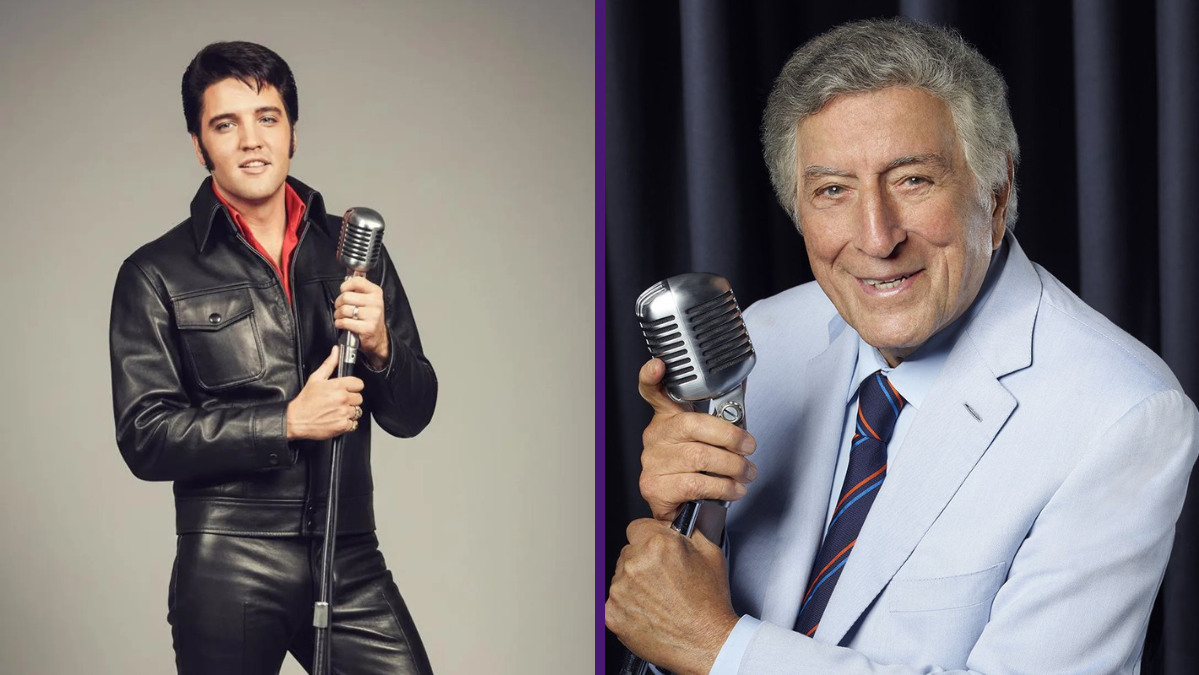
The story of Elvis Presley and Tony Bennett brings together two of the most influential entertainers of the twentieth century. Although they became famous for different musical styles, both artists transformed the entertainment industry through their distinctive voices, memorable performances, and lasting cultural influence. Elvis became the defining figure of rock and roll, while Tony Bennett earned international recognition for his interpretations of traditional pop, jazz standards, and the Great American Songbook.
Their careers developed during an exciting period in music history when radio, television, vinyl records, and live concerts helped artists reach audiences on an unprecedented scale. Both singers experienced enormous commercial success, performed for millions of fans, and built reputations that extended far beyond their original musical genres. Their individual achievements also reveal how different approaches to singing can produce equally powerful connections with listeners.
Interest in Elvis Presley and Tony Bennett continues because their music represents more than a particular era. Their recordings preserve important chapters in American entertainment, while their influence can still be heard in contemporary performances and musical interpretations. Exploring their backgrounds, artistic differences, public images, and professional achievements offers a fascinating look at two extraordinary careers.
Who Were Elvis Presley and Tony Bennett?
Elvis Presley was an American singer and actor widely known as the King of Rock and Roll. Born on January 8, 1935, in Tupelo, Mississippi, he grew up surrounded by musical influences that included gospel, country, blues, and rhythm and blues. These traditions helped shape the sound that made him one of the most recognizable performers in modern music history.
Presley rose to national prominence during the 1950s, when his energetic singing, distinctive vocal delivery, and unconventional stage movements challenged traditional ideas about popular entertainment. Songs such as “Heartbreak Hotel,” “Hound Dog,” “Jailhouse Rock,” and “Can’t Help Falling in Love” became enduring classics. His influence extended into film, fashion, youth culture, and the development of rock music.
Tony Bennett , born Anthony Dominick Benedetto on August 3, 1926, in Queens, New York City, followed a different path to stardom. He developed a reputation as a sophisticated vocalist whose interpretations emphasized melody, phrasing, emotional expression, and lyrical clarity. His career flourished during the early 1950s, when traditional pop singers and orchestral arrangements remained central to the American music industry.
Bennett became particularly famous for songs such as “Because of You,” “Rags to Riches,” and “I Left My Heart in San Francisco.” Throughout his long career, he remained closely associated with jazz musicians, orchestras, and the standards that had shaped American popular music. His commitment to vocal craftsmanship helped him remain relevant even as musical trends changed dramatically.
Although their public identities were different, both artists understood that a memorable performance required more than technical ability. They developed recognizable musical personalities, maintained devoted audiences, and demonstrated how a singer’s interpretation could give a song a life of its own.
How Their Musical Careers Began
Elvis Presley’s early career was closely connected to the development of Sun Records in Memphis, Tennessee. In 1954, he recorded “That’s All Right” with guitarist Scotty Moore and bassist Bill Black. The recording combined elements of blues and country in a way that helped establish a distinctive new sound.
Presley’s early success grew rapidly after he began appearing on radio programs and television shows. His performances attracted attention because they brought together musical influences that had often been separated by racial and commercial boundaries. His popularity helped bring Black musical traditions to a wider mainstream audience, although the broader history of rock and roll also depends on the pioneering contributions of artists such as Chuck Berry, Little Richard, and Fats Domino.
Tony Bennett’s rise followed a more traditional route through the popular music industry. After serving in the United States Army during the Second World War, he pursued professional singing and attracted the attention of music industry figures. In 1950, he signed with Columbia Records, and his recording of “Because of You” became a major hit in 1951.
Bennett’s early recordings benefited from carefully arranged orchestral backing and a vocal style that emphasized warmth and control. Rather than relying on dramatic physical movements, he drew listeners into a song through phrasing and emotional detail. His success demonstrated the continuing appeal of traditional pop at a time when the industry was beginning to undergo significant changes.
The beginnings of these careers reveal two different routes to international recognition. Presley helped popularize an emerging musical movement, while Bennett refined a long-established tradition of popular singing. Both approaches proved commercially successful and left lasting marks on the entertainment industry.
Elvis Presley and Tony Bennett: Understanding Their Musical Differences
The musical contrast between these performers is one of the most interesting aspects of their legacies. Presley became famous for a sound that blended rock and roll with country, blues, gospel, and pop. His voice could be playful, rebellious, tender, or intensely emotional, sometimes within the same performance.
Bennett was best known for his interpretations of jazz standards and traditional pop songs. His approach relied on careful timing, a strong sense of melody, and an ability to communicate the meaning of a lyric without overwhelming it. He frequently worked with orchestras and jazz ensembles, creating arrangements that gave his voice room to develop the emotional character of each song.
Their differences can be summarized through several important aspects of their artistry.
| Musical feature | Elvis Presley | Tony Bennett |
|---|---|---|
| Best-known musical identity | Rock and roll, with country, blues, gospel, and pop influences | Traditional pop, jazz standards, and vocal jazz |
| Signature vocal qualities | Expressive, rhythmic, flexible, and emotionally powerful | Warm, controlled, articulate, and interpretive |
| Breakthrough period | Mid-1950s | Early 1950s |
| Famous recording | “Heartbreak Hotel” | “I Left My Heart in San Francisco” |
| Performance style | Charismatic stage presence and energetic delivery | Elegant presentation and close attention to phrasing |
| Major cultural association | The rise of rock and roll and youth culture | The Great American Songbook and classic vocal performance |
| Career beyond recording | Films, concerts, television, and cultural influence | Concerts, television, painting, and collaborations |
| Lasting legacy | A foundational figure in popular rock music | A major interpreter of traditional pop and jazz standards |
These distinctions should not suggest that either singer remained confined to one style. Presley recorded gospel music, ballads, country-influenced songs, and orchestral pop. Bennett also explored changing musical environments, worked with younger performers, and demonstrated that traditional standards could appeal to new generations.
Their careers show that musical identity can be both recognizable and flexible. An artist may have a signature sound while continuing to explore different emotional and artistic possibilities.
Did Elvis Presley and Tony Bennett Ever Collaborate?
The subject of Elvis Presley and Tony Bennett often attracts attention because both men were prominent American singers whose careers overlapped for more than two decades. However, their shared place in music history should not be confused with a documented professional partnership.
There is no widely established record of a major official duet, joint studio album, or substantial collaborative recording project between the two singers. Their careers developed through different recording schedules, musical arrangements, professional relationships, and performance environments. Although both were active during the same broad period, that does not establish that they worked together directly.
This distinction matters because online discussions about famous entertainers sometimes blur the difference between a genuine collaboration and a historical connection. Two performers may have appeared in the same era, received recognition from similar audiences, or influenced the same industry without recording a song together.
Presley was closely associated with rock and roll, Hollywood films, and major live performances, particularly during his Las Vegas years. Bennett maintained strong relationships with orchestral conductors, jazz instrumentalists, and songwriters whose compositions became standards. Their professional circles sometimes belonged to the same entertainment world, but their documented musical achievements remain largely separate.
The absence of a prominent collaboration does not diminish the significance of comparing them. In fact, examining their differences helps explain how the American music industry supported multiple kinds of stardom. Presley represented a dramatic shift in popular culture, while Bennett showed how established songwriting traditions could retain their power through thoughtful interpretation.
Their Shared Place in American Music History
The 1950s and 1960s were transformative decades for American popular music. Record companies competed to reach increasingly diverse audiences, television gave singers access to millions of households, and young listeners began shaping commercial trends in new ways. Presley and Bennett became successful during this changing environment, although they occupied different positions within it.
Presley’s rise was closely associated with the growing influence of teenagers as a distinct consumer audience. His recordings, clothing, hairstyle, and performances helped establish a new image of the popular music star. His appeal crossed geographical boundaries, and his success contributed to the international spread of American rock and roll.
Bennett’s success demonstrated that the popularity of traditional pop did not disappear when rock music gained momentum. His voice appealed to listeners who appreciated sophisticated arrangements, carefully written lyrics, and the emotional subtlety of standards. He maintained a strong connection to the musical traditions associated with composers such as George Gershwin, Cole Porter, Irving Berlin, and Richard Rodgers.
Both men also benefited from the growing importance of television. Broadcast performances allowed audiences to experience an artist’s personality in addition to hearing recordings. Presley became a major television attraction, while Bennett’s appearances helped establish him as a polished and approachable entertainer.
Their shared historical importance lies in the breadth of American popular music. Rather than following a single path, the industry accommodated energetic rock performances, elegant vocal standards, gospel recordings, country influences, and many combinations of these styles. The success of both artists illustrates how audiences could embrace different forms of musical expression at the same time.
Elvis Presley’s Most Influential Songs and Performances
Presley’s recording catalogue includes songs that helped define rock and roll and others that revealed his versatility as a vocalist. “Heartbreak Hotel,” released in 1956, became one of his major early hits and established the emotional intensity associated with his music. Its atmosphere of loneliness and uncertainty contrasted with the energetic image that became central to his public persona.
“Hound Dog” and “Jailhouse Rock” showcased a more rebellious and rhythmically driven side of his artistry. Their memorable hooks, strong rhythms, and confident vocal delivery helped establish Presley as a performer who could dominate both recordings and live appearances. “Jailhouse Rock” also connected his music with his film career, illustrating how he used multiple entertainment formats to expand his audience.
His romantic ballads revealed a different dimension. “Love Me Tender” demonstrated his ability to communicate tenderness, while “Can’t Help Falling in Love” became one of his most enduring love songs. These recordings remain popular at weddings, celebrations, and other events because their emotional themes are easily understood across generations.
Presley’s gospel recordings are also important to understanding his musical development. He grew up with gospel influences, and songs such as “How Great Thou Art” allowed him to explore vocal power and spiritual expression. His gospel work earned critical recognition and showed that his artistic identity extended well beyond the rock and roll image that first brought him fame.
His concert performances during the late 1960s and 1970s further strengthened his reputation as a live entertainer. The 1968 television special commonly known as the “’68 Comeback Special” helped reintroduce him to audiences as a compelling performer. Later Las Vegas shows combined rock songs, ballads, gospel influences, and elaborate arrangements.
Tony Bennett’s Signature Songs and Vocal Legacy
Tony Bennett’s recording career was built on songs that rewarded careful listening. “Because of You” established his early popularity, combining a memorable melody with an arrangement that suited his expressive vocal style. The song helped introduce him to a broad audience and became an important milestone in his professional development.
“Rags to Riches,” released in 1953, demonstrated his ability to deliver a dramatic song with confidence and precision. Its orchestral backing supported a performance that balanced theatrical flair with vocal control. The recording became one of his best-known early hits and helped establish his place among leading popular singers of the era.
His signature song, “I Left My Heart in San Francisco,” became especially important to his public identity. Released in 1962, it captured a sense of longing and affection for a particular place. Bennett’s interpretation was warm and unhurried, allowing the song’s emotional character to emerge naturally. It went on to become closely associated with San Francisco and one of the defining recordings of his career.
Bennett’s jazz work further demonstrated his range. He collaborated with respected musicians and performed standards that demanded close attention to rhythm, harmony, and lyrical phrasing. His interpretations often sounded conversational, as though the singer were communicating directly with the listener rather than simply delivering a rehearsed performance.
His later career included acclaimed collaborations with artists from different generations. Albums such as Duets: An American Classic and Duets II introduced his music to new audiences. His recording of “Body and Soul” with Amy Winehouse, for example, brought together Bennett’s traditional approach and Winehouse’s distinctive contemporary style.
These projects showed that Bennett’s artistry was not dependent on nostalgia. He could preserve the character of classic songs while making them meaningful in a modern musical environment.
Their Approaches to Fame and Public Image
Presley and Bennett developed public images that reflected their musical identities. Presley became a cultural phenomenon whose appearance and movements were discussed as intensely as his recordings. His hairstyle, clothing, and stage presence influenced fashion and helped redefine the expectations placed on male performers in popular music.
His fame also created considerable pressure. The demands of film production, touring, recording, and public appearances shaped his professional life. While he achieved extraordinary success, his later years were marked by serious health problems and personal difficulties. He died on August 16, 1977, at the age of 42.
Bennett’s public image was generally associated with elegance, professionalism, and a deep respect for musical tradition. His relaxed stage manner and clear communication helped audiences connect with songs that were sometimes decades old. He cultivated the image of a singer who served the music rather than attempting to overshadow it.
His longevity became a defining part of his story. Bennett continued performing and recording well into his later years, even as he faced the challenges associated with aging. He announced in 2021 that he had been diagnosed with Alzheimer’s disease in 2016, a disclosure that brought attention to his health while also highlighting the remarkable continuation of his musical work.
Bennett died on July 21, 2023, at the age of 96. His career spanned more than seven decades, giving him a rare perspective on the evolution of American entertainment.
Their lives illustrate two different experiences of fame. Presley became a lasting symbol of youthful rebellion and rock stardom, while Bennett represented the endurance of traditional vocal artistry. Both were admired for their talents, and both experienced the complex demands of maintaining a public career.
The Role of Television, Film, and Live Performance
Music recordings were central to both careers, but neither artist depended on records alone. Television, film, and live appearances expanded their audiences and helped establish their personalities beyond the studio.
Presley became one of the most recognizable entertainers in Hollywood during the late 1950s and 1960s. Films such as Jailhouse Rock, Blue Hawaii, and Viva Las Vegas combined his musical performances with accessible storylines designed for popular audiences. Although the artistic quality of his films varied, they helped strengthen his commercial appeal and created additional opportunities to showcase his songs.
His live performances became particularly significant during his later career. The 1968 television special marked an important return to a more direct musical presentation, and his subsequent Las Vegas appearances demonstrated his ability to command a stage. Concert recordings and footage from these years continue to attract fans interested in his performance style.
Bennett also made extensive use of television and live concerts. His appearances helped preserve the popularity of traditional pop during periods when rock, soul, and later musical styles dominated the charts. He performed for audiences around the world and became known for concerts that emphasized musical quality rather than elaborate spectacle.
Both singers understood that a successful performance required a relationship with the audience. Presley often created excitement through movement and dramatic delivery, while Bennett relied on phrasing, charm, and the emotional meaning of a song. Their approaches were different, but each made live music feel immediate and personal.
Awards, Recognition, and Professional Achievements
The achievements of Presley and Bennett reflect their different contributions to popular music. Presley received multiple awards during his lifetime and was recognized for his influence on rock and roll. His gospel recordings were particularly important to his award history, and he won three Grammy Awards, all for gospel-related work.
He was inducted into several major music halls of fame, including the Rock and Roll Hall of Fame in 1986. His cultural influence has also been recognized through countless retrospectives, documentaries, exhibitions, and tributes. Graceland, his former Memphis home, became a major destination for visitors interested in his life and music.
Bennett earned a similarly impressive collection of honours. He won numerous Grammy Awards throughout his career, including recognition for his traditional pop recordings and collaborations. His work received praise for maintaining a high standard of vocal performance while adapting to changing musical tastes.
In addition to his recording achievements, Bennett was known as a visual artist. He painted throughout his life, treating visual art as a serious creative pursuit rather than simply a celebrity hobby. This aspect of his career revealed another dimension of his personality and artistic discipline.
Both men also became subjects of continuing academic and cultural interest. Their recordings are studied as examples of vocal interpretation, popular music history, performance, and the relationship between entertainment and identity.
How Their Music Continues to Influence Modern Artists
The legacy of Elvis Presley and Tony Bennett remains visible in modern music, although their influence often appears in different ways. Presley’s impact can be heard in the performance traditions of rock singers, pop entertainers, and artists who combine multiple musical styles. His approach to stage presence helped establish expectations for the modern concert performer.
His catalogue also continues to attract new listeners through films, documentaries, streaming platforms, tribute concerts, and reissues. Songs such as “Suspicious Minds,” “In the Ghetto,” and “Can’t Help Falling in Love” demonstrate that his music covered a broader emotional range than the early rock and roll image might suggest.
Bennett’s influence is especially evident among singers who interpret standards and value phrasing over vocal showmanship. His performances demonstrated that emotional intensity does not always require a powerful or technically complicated vocal delivery. Sometimes, the most effective interpretation comes from subtle timing, clear diction, and a deep understanding of the lyric.
His collaborations with younger artists also helped introduce traditional pop to audiences who might not otherwise have explored it. These recordings created a bridge between generations, showing that a well-written song can remain compelling when performed in a different musical era.
The two artists also illustrate the importance of authenticity. Presley developed a sound that reflected a broad range of American musical influences, while Bennett dedicated himself to interpreting songs with honesty and respect. Their careers suggest that lasting influence comes from a distinctive artistic voice rather than simply following commercial trends.
Interesting Facts About Elvis Presley and Tony Bennett
The careers of these performers include several details that reveal their range and significance. Presley was deeply connected to gospel music, and his spiritual recordings remained important throughout his career. Although he became famous as a rock and roll star, his gospel performances demonstrated a more reflective side of his personality.
Bennett, meanwhile, was an accomplished painter as well as a singer. He often signed his visual artwork with his birth name, Anthony Benedetto. His interest in painting continued alongside his music career and offered a creative outlet that was independent of the recording industry.
Both artists also experienced professional reinvention. Presley returned to a more direct live performance style with his 1968 television special after years of concentrating heavily on films. Bennett experienced a major career revival in the late twentieth century, helped by renewed interest in his recordings and collaborations with younger performers.
Their careers also differed considerably in length. Presley died at 42, leaving a comparatively short period of mature recording and performance behind him. Bennett continued working into his nineties, giving his audience decades of additional recordings, concerts, and collaborations.
These facts help explain why their legacies continue to inspire interest. Their careers were not simply stories of early success; they were examples of how musical talent can influence culture in different ways and on different timescales.
Frequently Asked Questions
Were Elvis Presley and Tony Bennett friends?
There is no widely established public record demonstrating a close personal friendship between the two singers. They were prominent figures in the American music industry during overlapping periods, but their professional careers largely followed separate paths. Their historical connection is best understood through their shared influence on popular music rather than a documented close relationship.
Did Elvis Presley and Tony Bennett record a duet together?
No widely recognized official duet or major collaborative recording between them is documented in their established discographies. Both artists worked with numerous musicians throughout their careers, but their best-known recordings belong to separate catalogues. Claims suggesting a famous joint performance should be checked against reliable discographies and historical records.
Who was more famous, Elvis Presley or Tony Bennett?
Both achieved international recognition, but their fame took different forms. Presley became a global cultural icon associated with the rise of rock and roll, while Bennett earned lasting recognition as a leading traditional pop and jazz vocalist. Comparing their fame depends on whether the emphasis is on cultural impact, commercial popularity, vocal interpretation, or longevity.
What were Elvis Presley’s most famous songs?
Some of his best-known songs include “Heartbreak Hotel,” “Hound Dog,” “Jailhouse Rock,” “Love Me Tender,” “Can’t Help Falling in Love,” and “Suspicious Minds.” His catalogue also includes gospel recordings and country-influenced performances that demonstrate his musical versatility.
What was Tony Bennett’s signature song?
“I Left My Heart in San Francisco” is widely regarded as Bennett’s signature song. Released in 1962, it became closely associated with his identity as a vocalist and with the city of San Francisco. Its enduring popularity reflects Bennett’s ability to communicate emotion through controlled phrasing and a clear, expressive interpretation.
How did Elvis Presley and Tony Bennett influence later singers?
Presley influenced rock, pop, and live performance through his distinctive vocal style, energetic stage presence, and combination of musical traditions. Bennett influenced generations of vocalists through his phrasing, interpretation of lyrics, and commitment to classic songwriting. Their different approaches demonstrate that successful singing can take many forms.
When did Elvis Presley and Tony Bennett die?
Elvis Presley died on August 16, 1977, at the age of 42. Tony Bennett died on July 21, 2023, at the age of 96. Their lives ended decades apart, but their music continues to attract listeners and remains an important part of twentieth-century entertainment history.
Conclusion
The story of Elvis Presley and Tony Bennett highlights the remarkable variety of talent that shaped American popular music. Presley helped transform rock and roll into a major cultural force, bringing together musical influences that reshaped the sound and image of popular entertainment. Bennett preserved and renewed the traditions of classic pop and jazz, demonstrating that thoughtful interpretation could keep older songs meaningful for new audiences.
Although they did not become famous through the same musical approach, both performers shared a commitment to communicating emotion and creating memorable musical experiences. Their recordings, performances, and professional achievements continue to influence singers, musicians, and listeners around the world.
Ultimately, their legacies are complementary rather than competing. Presley represents the excitement and cultural change associated with rock and roll, while Bennett embodies the elegance and endurance of traditional vocal artistry. Together, their stories illustrate why great music can transcend genres, generations, and changing trends, remaining relevant long after the original performers have left the stage.
Read also Meryl Streep and Chris Evans: Careers, Movies, and the Truth Behind Their Connection