Bill Ackman and Tiger Woods: Their Careers, Nike Connection, Business Interests and Success Stories
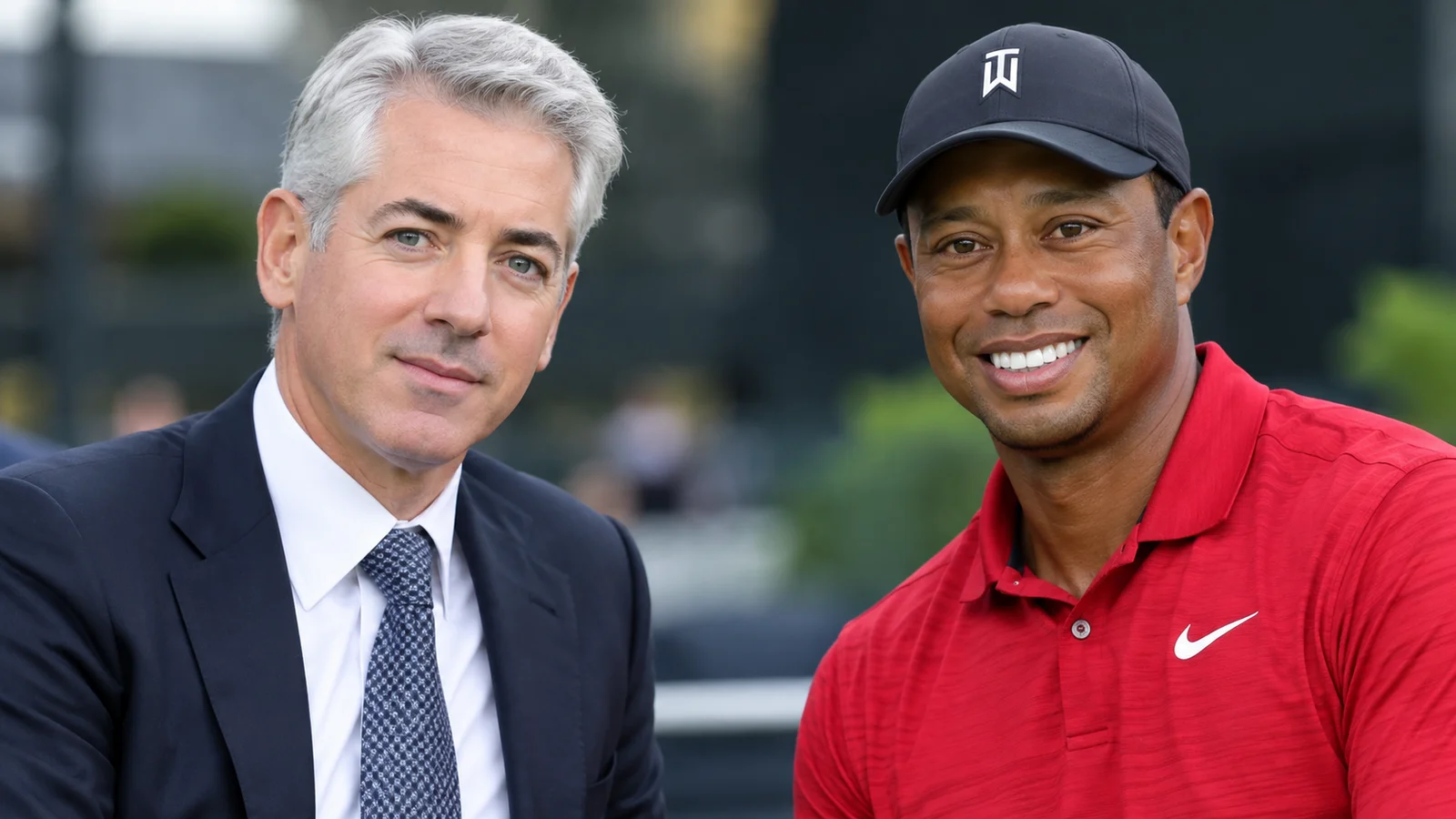
The names Bill Ackman and Tiger Woods represent two very different forms of success. One has built an international reputation through investment management, financial strategy and business leadership, while the other has become one of the most influential athletes in the history of professional golf. Although their careers developed in separate industries, their names have attracted attention together because of their connections to Nike and the wider business world.
Bill Ackman is an American billionaire investor best known for founding Pershing Square Capital Management. His investment decisions, public commentary and involvement in major corporate campaigns have made him a recognised figure in global finance. Tiger Woods, meanwhile, is a legendary professional golfer whose achievements transformed the popularity, commercial value and international visibility of golf.
People searching for Bill Ackman and Tiger Woods may be interested in whether they have a personal relationship, share business interests or have worked together. The most important documented connection involves Nike, a company that played a significant role in Woods’s sporting career and attracted investment from Ackman’s firm.
However, understanding this connection requires looking beyond headlines. An investor owning shares in a company is not the same as having a business partnership with one of its sponsored athletes. Their individual stories provide a fascinating opportunity to explore the relationship between professional sports, corporate investment, celebrity branding and financial success.
This article examines their backgrounds, professional achievements, commercial interests and the facts behind their association.
Who Is Bill Ackman?
Bill Ackman, whose full name is William Albert Ackman, is an American investor and businessman recognised for his influential position in the hedge fund industry. Born on May 11, 1966, he developed an interest in business and finance before establishing himself as one of the most recognisable activist investors in the United States.
Ackman attended Harvard University, where he earned an undergraduate degree before completing an MBA at Harvard Business School. His education provided a foundation for his understanding of financial markets, corporate management and investment strategy.
In 2004, he founded Pershing Square Capital Management, an investment management company known for taking substantial positions in selected publicly traded businesses. Rather than spreading investments across hundreds of companies, Ackman has often preferred a concentrated portfolio involving businesses he believes have significant long-term potential.
His approach has attracted both praise and criticism. Supporters appreciate his willingness to challenge corporate leadership and communicate investment arguments publicly. Critics, however, have questioned some of his investment decisions and the risks associated with concentrated portfolios.
Over the years, Ackman has become a prominent figure in discussions about corporate governance, shareholder activism and financial markets. His career demonstrates how investment decisions can influence the direction and reputation of major companies.
Who Is Tiger Woods?
Tiger Woods, born Eldrick Tont Woods on December 30, 1975, is an American professional golfer widely regarded as one of the greatest players in the history of the sport. His remarkable achievements, competitive personality and commercial influence helped transform modern professional golf.
Woods began playing golf during childhood under the guidance of his father, Earl Woods. His natural talent became apparent at a remarkably young age, and he quickly developed into one of the most successful junior golfers in the country.
Before becoming a professional, Woods achieved considerable success in amateur competitions. His impressive performances attracted national attention and established him as a major sporting prospect.
He attended Stanford University before turning professional in 1996. His arrival on the professional golf scene created enormous excitement, and he quickly became one of the sport’s biggest attractions.
His breakthrough came in 1997 when he won the Masters Tournament by an extraordinary 12 strokes. The victory announced his arrival as a dominant force in international golf and introduced a new generation of fans to the sport.
Woods eventually collected 15 major championship victories and 82 PGA Tour victories. These achievements placed him among the most successful golfers ever to compete professionally.
Beyond his sporting accomplishments, Woods became an influential commercial personality. His sponsorship agreements, television appearances, golf-related businesses and charitable activities expanded his influence far beyond the golf course.
What Connects Bill Ackman and Tiger Woods?
The most clearly documented connection between these two personalities involves Nike.
Tiger Woods signed a sponsorship agreement with Nike in 1996, beginning a relationship that lasted approximately 27 years. During that period, he became one of the company’s most recognisable sporting ambassadors.
Bill Ackman’s connection was different. His investment firm, Pershing Square Capital Management, acquired shares in Nike, making the sportswear company part of its investment portfolio at different points.
These separate professional relationships explain why the two names can appear together in discussions about corporate investment and sports branding.
However, there is an important distinction. Ackman’s investment involved ownership of shares in Nike, whereas Woods had a commercial endorsement agreement with the company.
There is no publicly verified evidence establishing that they entered into a direct investment agreement, founded a business together or maintained a close personal relationship.
The connection is therefore best understood through their separate involvement with the same internationally recognised company.
Bill Ackman’s Investment in Nike
Nike has been one of the world’s most recognisable sportswear companies for decades. Its products, advertising campaigns and partnerships with elite athletes have helped it develop a powerful international identity.
For investors, Nike represents more than a popular sports brand. Its financial performance is influenced by consumer demand, product innovation, international expansion, competition and the strength of its brand reputation.
Pershing Square has held Nike shares during different periods. Its investment activity attracted attention because Ackman is known for making concentrated investments in companies where he sees opportunities for improvement or long-term value.
The company’s relationship with professional athletes also makes Nike an interesting example of how commercial branding and financial markets overlap.
Nevertheless, purchasing shares in Nike does not mean that Ackman personally invested in every athlete associated with the company.
His investment should be understood as a financial position in a publicly traded corporation rather than an investment in Woods’s individual career.
This distinction is particularly important when discussing the relationship between famous investors and professional athletes.
Tiger Woods and His Historic Nike Partnership
Tiger Woods’s relationship with Nike was one of the most recognisable athlete sponsorship arrangements in modern sporting history. When he signed with the company in 1996, he was already considered an exceptional golfing talent, but his professional career was only beginning.
Nike recognised the commercial potential of working with a young athlete who could attract attention from golf enthusiasts and mainstream sports audiences. The partnership became a defining part of Woods’s public identity.
Throughout his career, he appeared in numerous advertising campaigns and promoted Nike golf clothing, footwear and equipment. His achievements helped make him an influential representative of the brand, while Nike provided commercial support that strengthened his position as a global sporting personality.
The partnership also demonstrated how an athlete’s success can create value for a company beyond the immediate sporting environment. Woods attracted viewers, inspired younger golfers and helped introduce golf to audiences who might not otherwise have followed the sport.
In January 2024, Woods publicly announced the end of his long-standing relationship with Nike. His departure marked the conclusion of an important chapter in both his commercial career and Nike’s history in professional golf.
Why Did Tiger Woods and Nike End Their Partnership?
The end of the Nike partnership attracted considerable attention because the relationship had continued for nearly three decades.
By the time the announcement arrived, Woods had become much more than a sponsored golfer. He was a global sporting icon whose achievements had influenced professional golf, sports advertising and athlete marketing.
The conclusion of the agreement also reflected changes in the sportswear industry. Companies increasingly evaluate sponsorship arrangements according to commercial priorities, product strategies and the changing interests of consumers.
Woods announced the news through a public message expressing appreciation for his long relationship with Nike. He acknowledged the company’s support throughout his career and reflected on the experiences they had shared.
His announcement included the statement:
“The days since have been filled with so many amazing moments and memories.”
The message reflected the importance of the partnership to his professional journey rather than simply treating it as another sponsorship agreement.
Following his departure, Woods moved towards a new chapter in golf-related business through his partnership with TaylorMade.
Sun Day Red: Tiger Woods’s Business After Nike
After ending his Nike relationship, Tiger Woods introduced Sun Day Red, a golf apparel and footwear brand developed in partnership with TaylorMade.
The brand was announced in February 2024 and officially introduced as a new commercial venture connected to Woods’s sporting identity.
Its name reflects the famous red shirts Woods traditionally wears during final rounds of tournaments. This clothing choice became closely associated with his competitive image and helped create a recognisable visual identity.
Sun Day Red represents an important development in Woods’s career because it gives him a more direct role in building a sportswear brand.
Rather than relying entirely on an endorsement agreement with an established company, he can contribute his experience, personal reputation and understanding of golfers’ needs to a dedicated commercial project.
The business also demonstrates how successful athletes can develop opportunities beyond their original sporting careers.
There is no verified public evidence establishing Bill Ackman or Pershing Square as an investor in Sun Day Red. The brand’s announced partnership is with TaylorMade, and it should not be confused with Ackman’s separate investment activity involving Nike.
Comparing Their Professional Careers
Although Bill Ackman and Tiger Woods operate in different industries, their careers share several interesting characteristics.
Both achieved recognition through exceptional performance in highly competitive environments. Ackman developed his reputation through financial analysis, investment decisions and corporate activism, while Woods established his through sporting excellence and extraordinary consistency.
Their professional journeys also demonstrate the importance of reputation. An investor needs confidence from financial partners and shareholders, while an athlete depends on public recognition, competitive credibility and commercial relationships.
The following table highlights some of the main differences between their backgrounds.
| Category | Bill Ackman | Tiger Woods |
|---|---|---|
| Full name | William Albert Ackman | Eldrick Tont Woods |
| Date of birth | May 11, 1966 | December 30, 1975 |
| Nationality | American | American |
| Profession | Investor and businessman | Professional golfer |
| Main recognition | Pershing Square | Golf championships |
| Education | Harvard University | Stanford University |
| Major organisation | Pershing Square Capital Management | TGR Foundation and golf ventures |
| Nike connection | Investment through Pershing Square | Long-term athlete partnership |
| Main industry | Finance | Professional sports |
Their differences are significant, but both have demonstrated how individual influence can extend into major commercial markets.
Tiger Woods’s Greatest Golf Achievements
Tiger Woods’s sporting achievements remain central to his international reputation. His career includes numerous tournament victories, record-breaking performances and moments that changed the way professional golf was viewed.
His first Masters victory in 1997 was particularly important. Winning by 12 strokes, he produced one of the most memorable performances in tournament history.
Woods continued to dominate professional golf during the late 1990s and early 2000s. His ability to combine distance, accuracy, confidence and mental strength made him difficult to compete against.
One of his greatest accomplishments came in 2000 when he won the US Open, The Open Championship and the PGA Championship in the same calendar year. He completed the achievement by winning the 2001 Masters, holding all four major championship titles consecutively. This remarkable period became known as the Tiger Slam.
His comeback victory at the 2019 Masters was another defining moment. After years of injuries and personal difficulties, he returned to the top of professional golf and won another major championship.
Woods’s achievements demonstrate that sporting greatness is not simply about winning individual competitions. His influence also comes from his ability to inspire audiences, attract commercial partnerships and maintain public interest over several generations.
Bill Ackman’s Approach to Business and Investment
Bill Ackman is known for an investment philosophy that often involves identifying businesses with strong potential and seeking ways to improve their performance.
His approach is associated with activist investing, where shareholders use their influence to encourage changes in corporate strategy, management or governance.
Unlike investors who focus primarily on short-term market movements, Ackman has frequently expressed interest in businesses that he believes can deliver value over longer periods.
Pershing Square’s investment strategy has involved detailed research into company operations, financial performance, competitive advantages and management decisions.
However, concentrated investing can involve considerable risk. When an investor places a significant amount of capital into a limited number of companies, poor performance in one position can have a substantial effect on the overall portfolio.
Ackman’s career has included both highly successful investments and difficult periods. His experiences illustrate that even prominent investors must deal with uncertainty, changing market conditions and the possibility of financial losses.
His Nike investment is one example of how his firm has participated in the wider consumer and sportswear industry.
Did Bill Ackman Invest Directly in Tiger Woods?
One of the most common questions surrounding these two personalities concerns whether Bill Ackman ever invested directly in Tiger Woods.
Based on the publicly documented information available, there is no verified evidence establishing a direct personal investment between them.
Ackman’s known Nike investment involved purchasing shares in the sportswear company. It did not give him ownership of Woods’s personal brand, endorsement earnings, golf-related businesses or other private commercial interests.
This distinction matters because large corporations frequently work with athletes, entertainers and other public figures. An investor who purchases shares in such a corporation does not automatically become a business partner of everyone who has a commercial agreement with it.
For example, Nike has worked with numerous international athletes. Its shareholders participate in the company’s financial performance, not automatically in the individual businesses or personal finances of those athletes.
The same principle applies here. There is no established public record showing that Ackman financed Woods’s career, acquired a stake in his personal ventures or became involved in the management of his commercial activities.
Are Bill Ackman and Tiger Woods Friends?
Another question concerns whether the two men share a personal friendship.
Both are internationally recognised Americans who have achieved considerable success in their respective industries. Their professional influence has also brought them into discussions involving wealthy individuals, business leaders and sporting personalities.
However, public recognition does not establish a personal relationship.
There is insufficient reliable public information to describe Ackman and Woods as close friends or regular personal associates. It is possible that they have encountered each other at business or social events, but that possibility should not be presented as an established fact.
Similarly, there is no verified evidence that they are relatives or have a private family connection.
The most responsible way to describe their association is through their separate professional relationships with Nike and their involvement in industries where sports, investment and commercial branding frequently overlap.
Did Bill Ackman Have Other Connections to the Golf Industry?
Golf is an interesting part of the wider discussion because the sport represents a substantial commercial industry involving equipment manufacturers, apparel companies, television broadcasters, tournament organisers and private investors.
Ackman’s investment career has included exposure to businesses connected with the broader consumer and golf-products market. His earlier investment history also involved Fortune Brands, a company associated with the Titleist golf equipment business.
However, this historical business exposure should not be confused with a direct connection to Tiger Woods.
There is an important difference between investing in a company that operates in the golf market and investing in a professional golfer personally.
The golf industry attracts investors because of its international audience, established brands and commercial opportunities. Companies operating in this sector can generate revenue through equipment, clothing, memberships, sponsorships and sporting events.
Woods has influenced many of these areas through his playing career and commercial ventures. Ackman’s involvement has been primarily associated with financial markets and corporate investments.
Their separate experiences illustrate how the same industry can attract individuals with very different professional interests.
Tiger Woods’s Influence on the Business of Professional Golf
Tiger Woods’s influence extends beyond his tournament record. His success helped change the commercial environment surrounding professional golf.
Before his arrival, golf already had an established international audience, but Woods introduced a different level of mainstream attention. His performances attracted younger viewers, increased media interest and encouraged sponsors to invest more heavily in the sport.
His popularity also helped create opportunities for businesses connected with golf equipment, clothing, hospitality and entertainment.
Television broadcasters benefited from the public interest surrounding his appearances, while tournament organisers gained a highly recognisable attraction capable of increasing audience engagement.
Woods also helped change perceptions of professional golfers as commercial personalities. His image became associated with major consumer brands, international advertising campaigns and premium sporting products.
His success demonstrated that an athlete’s commercial influence can continue even outside competition.
This is one reason his career remains relevant to discussions about sports marketing and business investment.
The Role of Celebrity Endorsements in Modern Business
The relationship between Nike and Tiger Woods offers a useful example of how celebrity endorsements operate.
When companies work with internationally recognised athletes, they are investing in more than advertising space. They are also associating their products with a person’s reputation, achievements and public image.
An athlete who consistently performs at the highest level can create a powerful connection between a brand and its audience.
Nike’s partnership with Woods demonstrated this principle over many years. His performances gave the company opportunities to promote its golf products through memorable sporting moments and advertising campaigns.
However, endorsement arrangements are different from traditional investments.
An endorsement agreement generally involves a commercial relationship in which an athlete promotes a company’s products or services in exchange for compensation or other contractual benefits.
An investment involves purchasing an ownership interest or financial instrument associated with a business.
Understanding this difference helps explain why the separate Nike connections of Ackman and Woods should not be treated as evidence of a joint venture.
What Their Stories Reveal About Wealth and Success
The professional experiences of these two men also offer interesting lessons about wealth creation.
Ackman’s career demonstrates the role of investment knowledge, financial discipline and business analysis. His work involves evaluating companies, understanding their financial structures and deciding where capital should be allocated.
Woods’s career highlights a different route to commercial success. His achievements were built through years of practice, competitive performance, physical preparation and the development of an internationally recognised sporting reputation.
Both careers show that professional success requires more than initial talent.
For Ackman, maintaining an investment business involves adapting to economic conditions, evaluating risks and making difficult financial decisions. For Woods, sustaining a successful sporting career has involved managing injuries, responding to competitive challenges and adjusting his approach as he has grown older.
Their experiences also highlight the importance of building opportunities beyond an original profession.
Ackman developed a major investment management business, while Woods expanded into apparel, golf course design, charitable activities and other commercial interests.
Neither career followed a perfectly predictable path. Both involved significant achievements alongside setbacks, making their professional journeys valuable examples of long-term ambition and adaptation.
The Importance of Their Public Images
Public image plays an important role in the careers of both men, although the way they manage their reputations is quite different.
Ackman is known for expressing strong opinions about financial markets, business leadership and corporate performance. His public statements can attract considerable attention because investors, analysts and business journalists closely follow his decisions.
Woods has developed a public image associated with sporting excellence, determination and resilience. His career has included remarkable victories, difficult personal periods and a highly publicised return to championship-winning form.
For Bill Ackman and Tiger Woods, reputation has been an important part of their wider commercial influence. Their names carry recognition in different markets, and that recognition has created opportunities beyond their primary professions.
Their experiences also show that public attention can bring challenges. Business leaders and professional athletes are regularly scrutinised, and their decisions can influence how audiences, customers and commercial partners perceive them.
Why Are People Searching for Bill Ackman and Tiger Woods?
There are several possible reasons behind growing interest in these two names appearing together.
The first is their association with Nike. Woods spent decades representing the company, while Ackman’s investment firm held Nike shares at different points.
The second is the broader relationship between sports and investment. Professional golf is a major commercial industry, and investors regularly examine opportunities involving sports brands, sponsorships and consumer products.
Another reason is the popularity of celebrity business stories. Readers are naturally interested in discovering whether successful individuals share investments, friendships or commercial partnerships.
However, the available evidence does not establish a direct relationship between the two men. Their separate connections with Nike provide the clearest explanation for their association in business discussions.
Understanding this context makes the subject more interesting because it demonstrates how a single international company can connect individuals from completely different professional backgrounds.
What Is the Future of Their Business Interests?
Bill Ackman’s future business activities are likely to remain centred on investment management, corporate strategy and financial markets. Through Pershing Square, he continues to operate in an environment where company valuations, economic developments and investor confidence influence decision-making.
His investment approach will continue to attract attention from people interested in hedge funds and activist investing.
Tiger Woods’s future commercial interests are more closely connected with professional golf, Sun Day Red, golf course development and his wider TGR activities.
Although injuries and age have influenced his competitive schedule, his experience and reputation continue to make him an important personality in professional golf.
His work in the business and charitable sides of the sport also provides opportunities to remain influential beyond tournament results.
For Bill Ackman and Tiger Woods, their professional futures will therefore continue to develop along different paths. Any future collaboration would need to be established through an official announcement or credible reporting rather than assumptions based on their shared corporate history.
Conclusion
Bill Ackman and Tiger Woods are two highly successful American personalities whose careers demonstrate different forms of achievement. Ackman has built his reputation through investment management, corporate activism and financial decision-making, while Woods has established himself as one of the greatest golfers in sporting history.
Their most notable documented connection is Nike. Woods represented the company for approximately 27 years, while Ackman’s investment firm held shares in the sportswear business at different times.
However, there is no publicly verified evidence establishing a direct business partnership, personal investment or close friendship between them. Their separate relationships with Nike should not be mistaken for a shared commercial venture.
The story of Bill Ackman and Tiger Woods is ultimately an interesting example of how professional sports and global finance can overlap. Their achievements, commercial influence and individual business interests make both figures worth understanding, even though their professional journeys remain largely separate.
Frequently Asked Questions
Who are Bill Ackman and Tiger Woods?
Bill Ackman is an American billionaire investor and the founder of Pershing Square Capital Management. Tiger Woods is an internationally celebrated professional golfer who has won 15 major championships and 82 PGA Tour events. Both are influential figures in their respective industries.
What is the connection between Bill Ackman and Tiger Woods?
The clearest documented connection is Nike. Woods had a long-term sponsorship relationship with Nike, while Ackman’s investment firm purchased shares in the company. Their separate professional relationships explain why their names sometimes appear together in business discussions.
Did Bill Ackman invest directly in Tiger Woods?
There is no publicly verified evidence establishing a direct investment by Ackman in Woods or his personal businesses. The documented Nike investment involved shares in the sportswear company rather than ownership of the golfer’s private ventures.
Are Bill Ackman and Tiger Woods friends?
There is insufficient reliable public information to establish that they are close personal friends. Their shared association with Nike does not prove that they have a personal relationship.
How long was Tiger Woods associated with Nike?
Tiger Woods’s partnership with Nike began in 1996 and ended in January 2024. The relationship lasted approximately 27 years and became one of the most recognisable athlete sponsorship arrangements in professional golf.
What is Tiger Woods’s Sun Day Red brand?
Sun Day Red is a golf apparel and footwear brand launched by Tiger Woods in partnership with TaylorMade in 2024. Its name reflects Woods’s famous tradition of wearing red shirts during the final rounds of tournaments.
Does Bill Ackman own part of Sun Day Red?
There is no publicly verified evidence establishing that Bill Ackman or Pershing Square owns a stake in Sun Day Red. The announced commercial partnership behind the brand involves Tiger Woods and TaylorMade.
Why are Bill Ackman and Tiger Woods discussed together?
Their names are associated through Nike and the wider relationship between professional sports and corporate investment. Ackman approached Nike as an investor, while Woods represented the company as a professional athlete. These are separate business relationships rather than evidence of a direct partnership.
Read also Ginni Rometty and Evan Spiegel: Careers, Leadership, Technology, and Their Professional Connection